
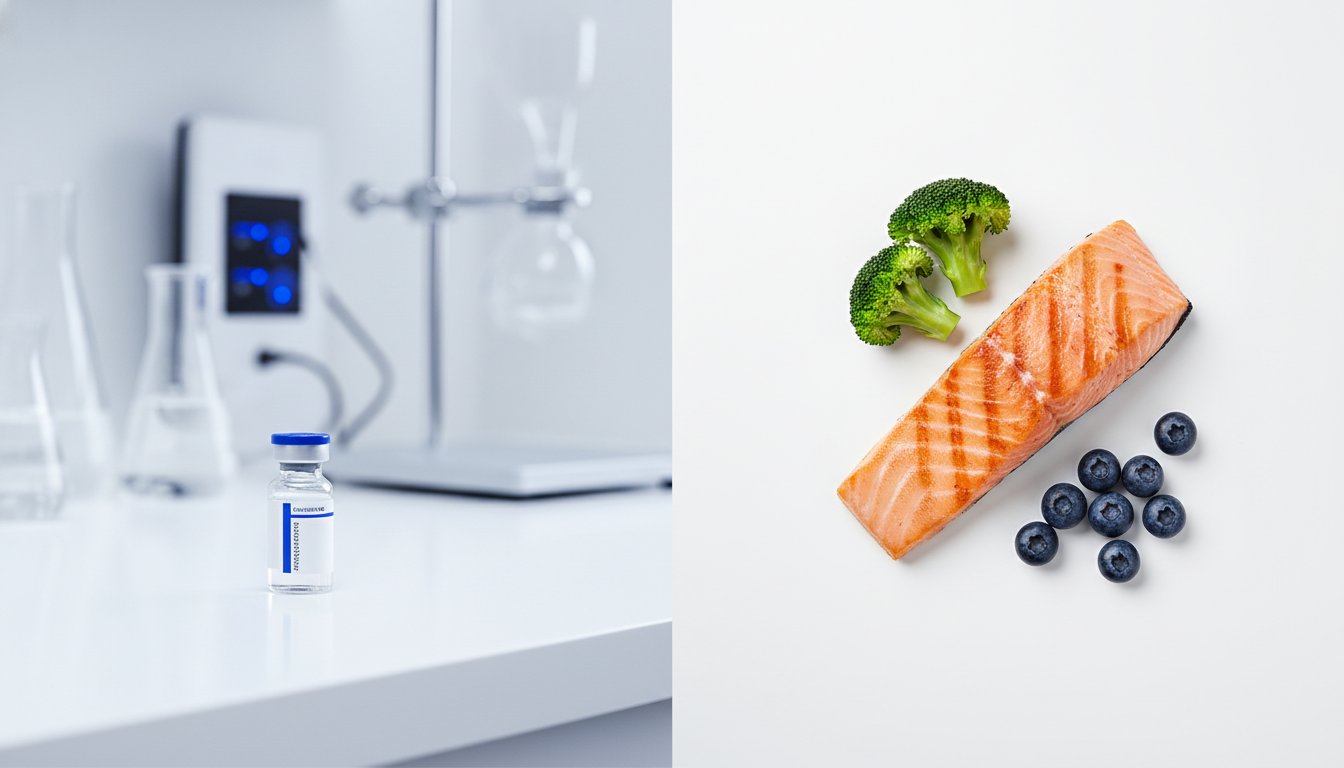
Your peptide protocol's success is not determined by the vial alone; it is strictly governed by the host’s glycemic environment and the specific foods that enhance peptide effectiveness. You've likely experienced the frustration of conflicting advice regarding fasting or felt the distinct fear of wasting a cycle due to an unoptimized metabolic state. This concern is justified, as exogenous peptides require precise nutritional substrates to function as intended. Without the correct cellular environment, even the most advanced protocols can underperform.
We'll provide the clinical roadmap necessary to turn your nutrition into a high-level catalyst for recovery and fat loss. You'll learn how to manage the insulin-peptide relationship through strategic fiber intake and why consuming 25 to 35 grams of protein per meal is a non-negotiable requirement for signaling. We'll also define the specific micronutrients that act as essential cofactors for peptides like BPC-157 and GLP-1 agonists. This data-driven approach ensures your investment in lab tested peptides translates into measurable, sophisticated results rather than missed opportunities. By aligning your metabolic framework with your therapeutic goals, you move from guesswork to scientific-grade optimization.
Key Takeaways
- Understand why maintaining precise glycemic control is required to prevent elevated insulin from muting the signaling of growth hormone peptides.
- Learn to prioritize leucine-rich protein sources that provide the necessary substrates for the protein synthesis triggered by your peptide protocol.
- Identify the specific micronutrients and foods that enhance peptide effectiveness by acting as chemical catalysts for synthesis and ATP production.
- Master the strategic timing of administration, specifically the necessity of the fasted window, to ensure optimal pharmacokinetics and absorption.
- Discover how the PeptivaFit Protocol utilizes a personalized medical assessment to align your nutritional framework with your use of lab tested peptides.
Metabolic Foundations: How Glycemic Control Dictates Peptide Efficacy
The success of a peptide protocol depends entirely on the host's metabolic environment. While many focus solely on the dosage of their Peptide therapeutics, the biological reality is that glycemic control dictates the efficacy of these compounds. Insulin and growth hormone (GH) exist in a strictly inverse relationship. When blood glucose levels rise, the pancreas releases insulin, which simultaneously triggers the release of somatostatin. This hormone acts as a powerful inhibitor; it effectively mutes the signal of GH-releasing peptides and prevents the pituitary gland from secreting the growth hormone necessary for fat loss and tissue repair.
Identifying the right foods that enhance peptide effectiveness involves more than just adding protein; it requires the systematic elimination of metabolic interference. High-glycemic carbohydrates cause rapid insulin spikes that saturate receptors and blunt the metabolic response to secretagogues. Chronic hyperinsulinemia, often a result of poor dietary discipline, creates a state of insulin resistance. This condition is the primary barrier to successful therapy, as it disrupts the downstream signaling of IGF-1 and prevents the body from accessing stored adipose tissue for energy.
The Insulin-GH Axis: Why Sugar is the Enemy of Secretagogues
The presence of glucose in the bloodstream serves as a direct chemical signal to suppress GH production. Somatostatin inhibition is the mechanism that prevents exogenous peptides from reaching their full potential. To maximize a fat loss cycle, you must eliminate high-GI foods that trigger excessive insulin release. This includes refined sugars, processed flours, and high-sugar tropical fruits. Reducing these inputs ensures that the endocrine system remains receptive to peptide-mediated signals rather than being preoccupied with glucose disposal and fat storage.
Glycemic Variability and Peptide Bioavailability
Stable blood sugar levels are essential for maintaining peptide receptor sensitivity. Glycemic variability, characterized by frequent "crashes" and "spikes," interferes with the pharmacokinetics of metabolic peptides. By prioritizing fiber-rich, low-glycemic carbohydrates like leafy greens and cruciferous vegetables, you create a steady metabolic environment. This stability ensures that the peptides have consistent access to cellular receptors without competition from fluctuating insulin levels. Glycemic control is the gatekeeper for peptide-mediated lipolysis. Establishing this foundation often requires a personalized medical assessment to identify underlying resistance before initiating the Peptiva Protocol.
Essential Macronutrients: Fueling Structural and Metabolic Repair
Establishing proper glycemic control is only the first phase of optimization. Once the metabolic environment is stabilized, you must provide the physical substrates required for tissue repair and fat oxidation. Exogenous peptides function as high-level messengers; they issue commands for the body to synthesize new protein or mobilize stored lipids. If the requisite amino acids are absent, these signals remain unanswered. Selecting specific foods that enhance peptide effectiveness ensures that your biological systems have the raw materials needed to execute these commands. Clinical research into Food-Derived Bioactive Peptides demonstrates that specific dietary inputs significantly influence the metabolic pathways these therapies target.
Leucine and the mTOR Pathway Synergy
Leucine isn't merely a building block; it's a potent signaling molecule that activates the mTOR pathway. This pathway serves as the central regulator for human protein synthesis. When you utilize muscle-sparing peptides for metabolism and fat loss, leucine availability often becomes the primary limiting factor for success. You should prioritize high-density sources like whey isolate, grass-fed beef, and essential amino acid (EAA) supplements to provide the metabolic "green light" for repair. This ensures that the increased demand for tissue remodeling is met with adequate supply. High-quality protein intake should be scaled to your specific protocol requirements to prevent lean mass loss during aggressive fat-burning phases.
Collagen-Dense Foods for Healing Protocols
Structural repair requires a specialized nutritional framework that standard diets often lack. When identifying foods that enhance peptide effectiveness for injury recovery, your dietary intake must emphasize proline, glycine, and hydroxyproline. Bone broth and slow-cooked, collagenous meats are foundational foods for this objective. These specific amino acids form the architecture of the extracellular matrix; without them, the regenerative signals of structural peptides cannot be fully realized. Additionally, healthy fats from avocados and olive oil support the lipid bilayer of your cells. This membrane integrity is critical for peptide receptor binding and efficient signal transduction. A personalized medical assessment can identify if your current macronutrient ratios are sufficient to support these high-stakes biological processes.
Micronutrient Co-factors: The Chemical Catalysts of Peptide Action
Peptides operate as biological messengers, but their messages require a functional chemical environment to be received and executed. While macronutrients provide the structural foundation, micronutrients act as the essential catalysts for these reactions. Without the correct mineral and vitamin co-factors, even the most advanced protocols may result in diminished returns. To move beyond standard results, you must identify and consume the specific foods that enhance peptide effectiveness by addressing micronutrient deficiencies that act as metabolic bottlenecks.
Zinc and Magnesium: The Growth and Energy Duo
Zinc is a critical mineral for growth hormone synthesis and the maintenance of immune-modulating peptides. Clinical investigation reveals that zinc deficiency can lead to growth hormone resistance at the receptor level. This means that even if your peptide levels are optimized, your cells may remain unresponsive to the signal. Similarly, magnesium is a mandatory co-factor for over 300 enzymatic reactions, including those involved in ATP production. This mineral has a direct synergy with mitochondrial peptides. When using a mots c peptide, magnesium availability determines the efficiency of mitochondrial-derived metabolic regulation. To ensure these co-factors are present, your diet should include:
- Oysters and Shellfish: The highest bioavailable sources of zinc for endocrine support.
- Pumpkin Seeds: A dense source of both magnesium and zinc for daily maintenance.
- Leafy Greens: Essential for magnesium-driven ATP synthesis and systemic alkalinity.
Vitamin C and Trace Minerals for Tissue Integrity
Structural peptides like GHK-Cu or BPC-157 require specific trace minerals to facilitate tissue remodeling. Vitamin C is a biochemical requirement for the hydroxylation of collagen; it's the primary tool for cross-linking the fibers that repair tendons and skin. Trace minerals act as the "spark plugs" for these peptide-driven healing processes. You must also manage the delicate balance between copper and zinc during active repair phases to prevent one from displacing the other at the cellular level. Systemic inflammation control is further supported by the synergy of Vitamin D3 and K2, which regulate calcium signaling and immune response. For advanced cellular protection, you can explore PureONE Molecular Hydrogen Generator to incorporate molecular hydrogen, a powerful tool for neutralizing oxidative stress. Integrating these micronutrient-dense foods that enhance peptide effectiveness transforms your protocol from a simple supplement cycle into a comprehensive biological optimization strategy.
Strategic Nutrient Timing: Optimizing Pharmacokinetics
Strategic nutrient timing serves as the final variable in the optimization equation. While identifying specific foods that enhance peptide effectiveness is vital, the timing of their consumption determines whether the peptide signal is received or discarded. Pharmacokinetics, the study of how the body processes a compound, is heavily influenced by the presence of insulin and glucose. Administering a growth hormone secretagogue in a fed state is a common error that leads to wasted cycles and sub-optimal metabolic outcomes. The "refeed" strategy should focus on nutrient-dense recovery foods during your eating window to replenish glycogen without causing chronic hyperinsulinemia. Similarly, pre-workout nutrition should remain minimal if using peptides that enhance blood flow, as a heavy digestive load can redirect circulation away from the target muscle tissues.
The 3-Hour Rule for Growth Hormone Secretagogues
A 3-hour fast prior to administration is a non-negotiable requirement for physiological efficacy. This window ensures that blood glucose has stabilized and insulin levels have returned to baseline, removing the primary inhibitors of growth hormone release. When managing a tesamorelin dosage, your evening meal structure is critical; it must be consumed early enough to allow for complete gastric emptying before the nightly injection. This discipline prevents somatostatin from muting the hormonal pulse you are attempting to induce.
Follow this 5-step daily timing schedule for maximum lipolytic impact:
- 18:00: Consume your final meal, prioritizing lean protein and fibrous vegetables.
- 21:00: Administer the peptide protocol after the 3-hour fasted window is achieved.
- 21:45: Maintain a 30 to 45-minute fast post-administration to allow for signal transduction.
- 22:30: Begin your sleep cycle to leverage the synergy between exogenous peptides and natural nocturnal pulses.
- 07:00: Perform fasted morning activity to capitalize on the elevated fatty acid mobilization.
Hydration and Electrolyte Management
Effective peptide therapy requires a disciplined approach to fluid dynamics. Growth hormone peptides can occasionally cause peripheral edema, or water retention, if sodium and potassium levels are not meticulously managed. You don't just need water; you need a precise balance of electrolytes to support the increased metabolic waste removal that occurs during rapid fat loss. Increased hydration is mandatory as the body processes the byproducts of lipolysis. Strategic use of calorie-free electrolytes during your fasted windows will maintain performance without triggering the insulin response that blunts your results. For those seeking a rigorous, data-backed approach to these variables, our personalized medical assessment provides the necessary clarity to avoid common pitfalls.
Implementing the Peptiva Protocol: A Synergistic Framework
Successful optimization isn't achieved through isolated habits; it requires a synchronized system where pharmacology and clinical nutrition operate in tandem. The Peptiva Protocol represents this integration, bridging the gap between high-grade, lab tested peptides and the metabolic environment required to activate them. By identifying the specific foods that enhance peptide effectiveness through a personalized medical assessment, you eliminate the metabolic friction that causes standard cycles to underperform. This data-driven approach ensures that your body possesses the exact nutrient density required to respond to the regenerative signals of your protocol.
Transitioning from an aggressive fat loss phase to a sustainable maintenance period requires nutrition to take the lead. While peptides provide the initial metabolic momentum, your dietary framework preserves those results. 1-on-1 coaching allows for the refinement of these variables based on your body's real-time feedback. This level of professional oversight ensures that your transition is seamless and that you don't fall back into the insulin-dominant patterns that originally hindered your performance.
The Role of Professional Oversight in Nutrient Synergy
Generic diets fail peptide users because they don't account for bio-individual metabolic demands. A nutritional framework that works for one individual may trigger a somatostatin response in another. Tracking biomarkers through regular blood work allows us to adjust your intake for better results and improved safety. Leveraging the Peptiva fat loss guide provides a complete lifestyle overhaul, moving you away from guesswork and toward a disciplined, scientific-grade standard of wellness. This level of precision is only possible when you treat nutrition as a mandatory component of the therapeutic process.
Next Steps: Maximizing Your Metabolic Journey
Adopting a "Peptide-First" nutrition mindset means viewing every meal as either a catalyst or a barrier to your results. You've learned that glycemic control, leucine-rich proteins, and the specific foods that enhance peptide effectiveness are non-negotiable elements of a successful protocol. To move forward, you must align your internal environment with your performance goals. Accessing lab tested peptides through the Peptiva network ensures you're working with verified compounds, but the final outcome remains in your hands. Contact us today for a single consultation call to begin your transition into a high-level optimization framework. Your results shouldn't be left to chance; they should be the inevitable outcome of a superior protocol.
Mastering Your Metabolic Environment for Peak Peptide Performance
Optimizing your metabolic environment is a fundamental requirement for anyone serious about the efficacy of their peptide protocol. You now understand how glycemic stability acts as a gatekeeper for lipolysis and why precise nutrient timing ensures your secretagogues aren't muted by insulin spikes. By identifying the specific foods that enhance peptide effectiveness and providing the necessary amino acid substrates, you transform a standard cycle into a high-level regenerative process. Success in this field demands more than just access to compounds; it requires a disciplined integration of data, clinical nutrition, and regulatory precision.
Our framework provides the necessary professional oversight to navigate these complexities with absolute confidence. Access the Peptiva Protocol and Optimize Your Metabolic Results Today to secure lab-verified peptide supplies, personalized medical assessments, and expert 1-on-1 metabolic coaching tailored to your unique biology. It's time to move beyond mass-market advice and achieve sophisticated control over your own performance and wellness.
Frequently Asked Questions
Do I need to be in a calorie deficit for peptides to work?
Yes, a caloric deficit is a physiological requirement for fat loss peptides to manifest significant results. While compounds like GLP-1 agonists or growth hormone secretagogues enhance metabolic efficiency and fat mobilization, they cannot override the laws of thermodynamics. Without a net energy deficit, the fatty acids mobilized by the peptides are simply re-esterified into adipose tissue rather than being oxidized for energy.
Can I drink alcohol while on a peptide protocol?
Alcohol consumption should be strictly minimized or eliminated during any active peptide protocol. Ethanol disrupts hepatic metabolic processing and increases systemic inflammation, which can blunt the regenerative signals of peptides like BPC-157. Alcohol also triggers significant insulin spikes that interfere with growth hormone secretion, directly counteracting the primary objectives of your metabolic therapy.
Are there any supplements that interfere with peptide absorption?
High doses of certain anti-inflammatory supplements can occasionally interfere with the acute signaling required for peptide-induced repair. While most micronutrients are beneficial, excessive intake of specific minerals can compete for absorption or displace necessary co-factors at the cellular level. Identifying the right foods that enhance peptide effectiveness is often safer than relying on unmonitored, high-dose synthetic supplements.
How much protein should I eat per pound of body weight when using BPC-157?
You should aim for 1.0 to 1.2 grams of high-quality protein per pound of body weight when using BPC-157 for tissue repair. Structural recovery requires a constant supply of amino acids like proline and glycine to rebuild the extracellular matrix. Prioritizing leucine-rich proteins provides the specific substrates necessary for these healing signals to be executed by the body.
Should I take my peptides on an empty stomach or with food?
Most growth hormone secretagogues must be administered on an empty stomach, following a minimum three-hour fast. This ensures that insulin levels are at baseline, preventing the suppression of the GH pulse. Certain healing peptides are less sensitive to food intake, but maintaining a fasted window is generally considered the clinical standard for ensuring optimal pharmacokinetics and signal transduction.
Can certain foods cause a "flush" or reaction when combined with peptides?
Yes, high-histamine foods or niacin-rich ingredients can occasionally trigger a cutaneous flush or redness when combined with specific peptides. This reaction is typically a result of increased vasodilation or a temporary immune response. If you experience persistent flushing, you should review your dietary inputs and peptide timing during a single consultation call to adjust for bio-individual sensitivities.
Is intermittent fasting beneficial when using growth hormone secretagogues?
Intermittent fasting is highly beneficial because it extends the physiological window of low insulin. By maintaining a fasted state, you maximize the amplitude of the GH pulses triggered by your protocol. This synergy accelerates lipolysis and improves cellular autophagy, making fasting a core component of the nutritional frameworks and foods that enhance peptide effectiveness.
What happens if I eat carbs immediately after my peptide injection?
Consuming carbohydrates immediately after an injection triggers an insulin spike that effectively mutes the peptide signal. Insulin stimulates the release of somatostatin, which is a hormone that inhibits the secretion of growth hormone from the pituitary gland. To prevent this interference, you must wait at least 30 to 60 minutes before consuming any calories to allow the peptide to complete its initial signaling phase.

![Shelf Life of Reconstituted Peptides: A Clinical Reference Guide [2026]](https://getautoseo.com/storage/hero_images/shelf-life-of-reconstituted-peptides-a-clinical-reference-guide-2026.jpg?v=b8ed5173acaa)
