
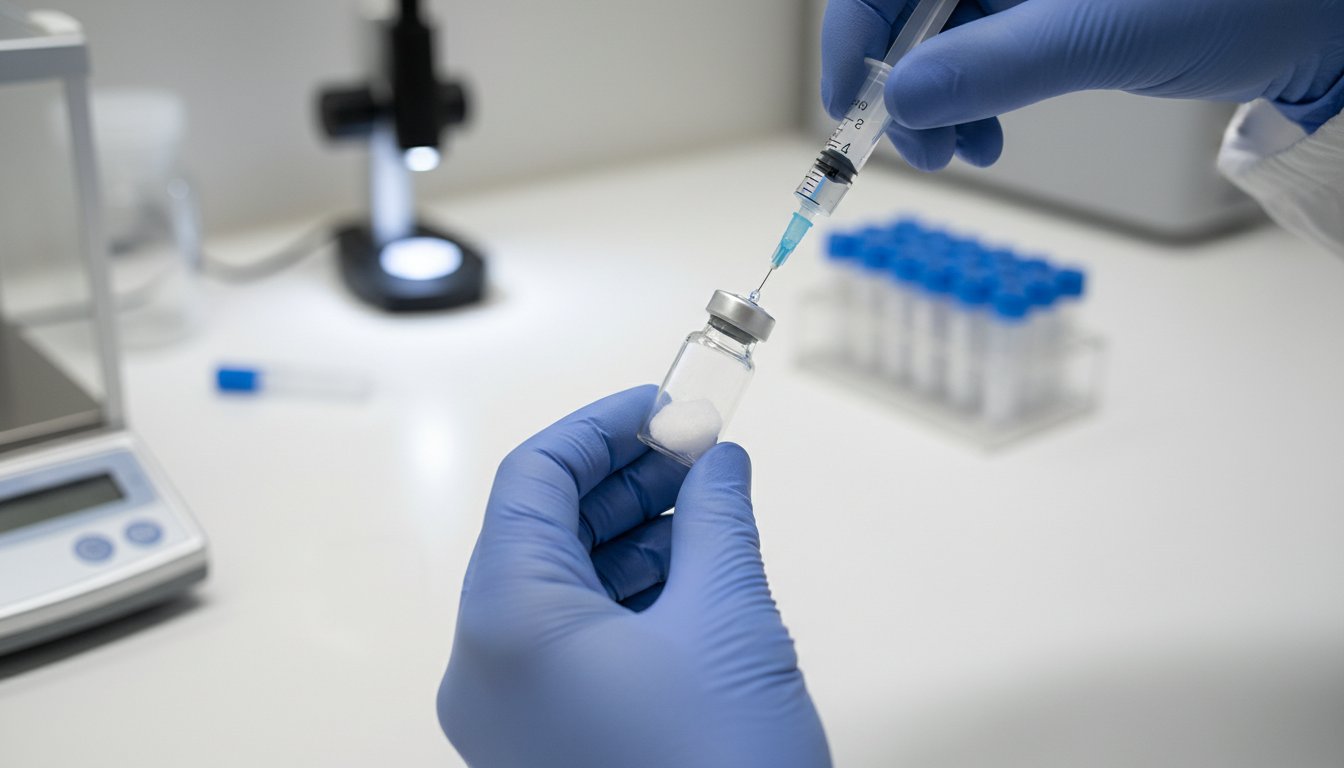
A single breach in aseptic technique can render a high-purity peptide vial useless within 48 hours if the solvent lacks the necessary antimicrobial properties. You understand that maintaining the molecular stability of expensive research compounds requires more than just a clean environment; it demands a disciplined approach to solvent selection. The complexity of laboratory-grade reconstitution often leads to confusion between Sterile Water for Injection and bacteriostatic water for peptides, a distinction that directly determines the viability of your research assets. It's frustrating to risk the integrity of a study because of unclear protocols or the fear of bacterial growth in multi-dose containers.
This guide provides a clinical framework for using bacteriostatic water for peptides to ensure your data remains untainted by microbial proliferation or pH-induced degradation. We'll dissect the chemical requirements of 0.9% benzyl alcohol, establish validated storage protocols, and clarify the critical distinctions between various reconstitution media to maximize your research shelf-life. By adopting these laboratory-grade standards, you'll gain sophisticated control over your environment and preserve the structural integrity of your peptides for the duration of your study.
Key Takeaways
- Understand the chemical role of 0.9% Benzyl Alcohol in disrupting bacterial replication to maintain solvent sterility throughout the research process.
- Distinguish between single-use sterile water and bacteriostatic water for peptides to effectively utilize the 28-day preservation window.
- Master aseptic handling and the "Gentle Swirl" reconstitution technique to prevent molecular denaturing and ensure the integrity of your research materials.
- Implement rigorous quality standards for sourcing clinical-grade solvents, emphasizing the importance of third-party laboratory verification.
Understanding Bacteriostatic Water in Peptide Research
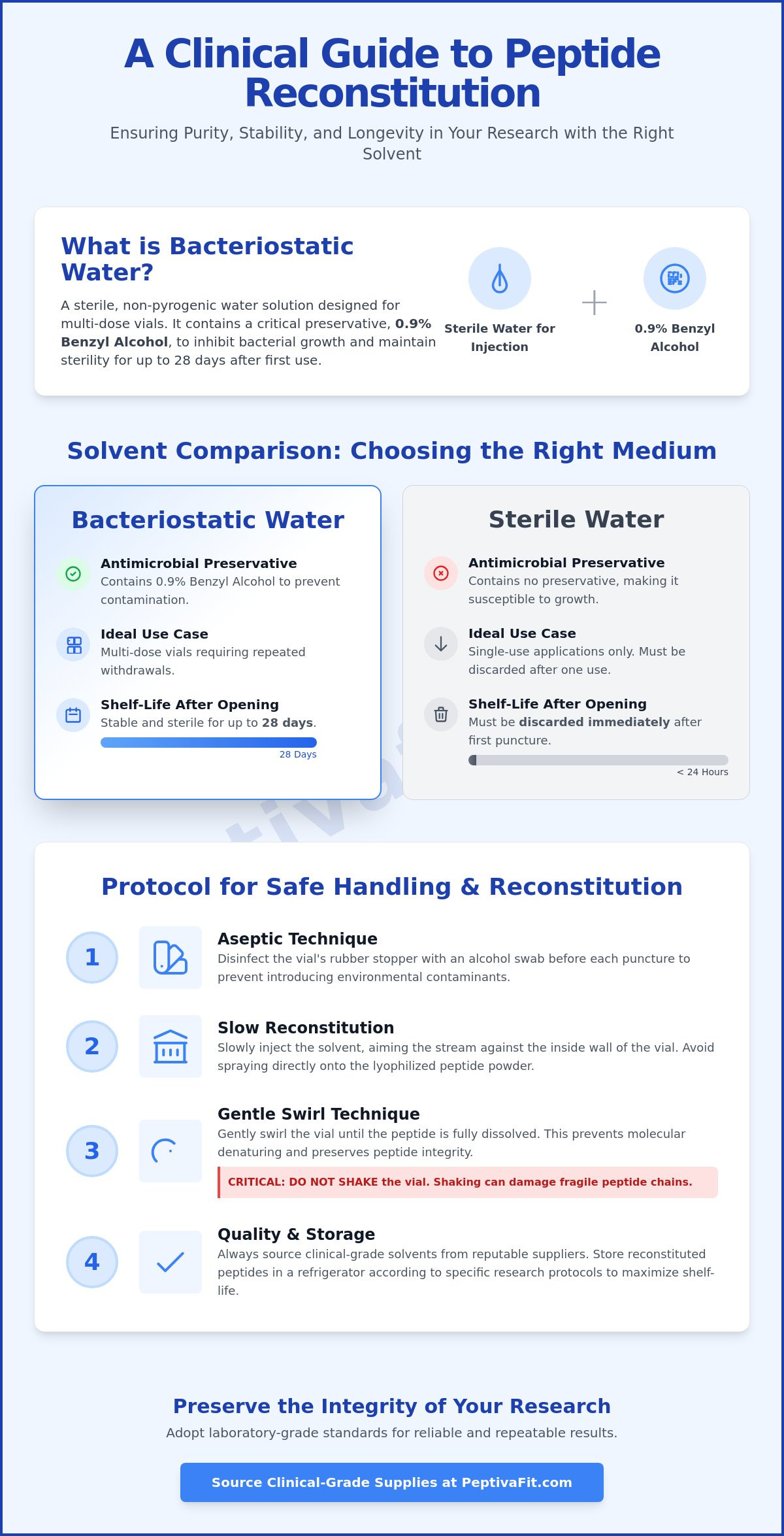
Bacteriostatic water is a sterile, non-pyrogenic preparation of water for injection containing 0.9% (9 mg/mL) benzyl alcohol. This specific concentration of benzyl alcohol acts as a bacteriostatic agent, which is a substance that inhibits the growth and reproduction of bacteria without necessarily killing the organisms already present. This differs from bactericidal agents, which are designed to eliminate bacteria entirely upon contact. For researchers, this distinction is vital. It allows for the repeated withdrawal of contents over a 28-day period while maintaining a sterile environment that prevents microbial colonization.
The regulatory framework for these solvents is defined by the United States Pharmacopeia (USP). These standards dictate that the water must be purified to remove dissolved solids and gases, ensuring a stable pH that typically ranges between 4.5 and 7.0. Utilizing bacteriostatic water for peptides is the standard protocol in clinical environments where multi-dose applications are required. Without this preservative, a reconstituted solution would become a breeding ground for microorganisms within hours of the first puncture.
The Anatomy of a Multi-Dose Vial
Multi-dose vials utilize a self-sealing elastomeric stopper designed to maintain sterile integrity after multiple needle penetrations. The benzyl alcohol in the solvent works in tandem with this seal to neutralize environmental contaminants introduced during the puncture. However, researchers must be aware of "coring," which is the process where a needle shears off a small piece of the rubber stopper. This fragment can compromise the vial's seal and introduce particulate matter into the solution. While single-use sterile water vials are available, they lack the necessary preservatives to remain viable for multi-week research protocols; they must be discarded immediately after a single draw.
Peptide Stability and Solvent Compatibility
Peptides are typically provided in a lyophilized, or freeze-dried, state to ensure long-term molecular stability. The transition from this powder to an aqueous solution is a delicate chemical process. Using bacteriostatic water for peptides protects the fragile amino acid chains from degradation caused by microbial growth or rapid pH fluctuations. High-purity solvents are essential for peptides involved in metabolic optimization, such as BPC-157 or various growth hormone secretagogues. These molecules demand a stable environment to maintain their structural conformation, ensuring that the research data remains accurate and the peptide's biological activity is preserved throughout the duration of the study.
The Science of Preservation: Role of 0.9% Benzyl Alcohol
Benzyl alcohol, identified by the chemical formula C7H8O, functions as the critical antimicrobial agent in the reconstitution of research compounds. This aromatic alcohol is chosen for its ability to inhibit microbial growth without necessarily destroying all existing bacteria instantly, a distinction that defines its bacteriostatic classification. It operates by increasing the permeability of the bacterial cell membrane; this disruption causes the leakage of essential cellular components and halts the replication cycle. Maintaining the concentration at exactly 0.9% is the established clinical standard for bacteriostatic water for peptides. This specific level provides sufficient antimicrobial protection while remaining below the threshold for significant cytotoxicity in most research models.
PH Balance and Peptide Longevity
The slightly acidic environment of bacteriostatic water for peptides, which typically presents a pH between 4.5 and 7.0, plays a decisive role in the solubility of various sequences. Compounds such as Tesamorelin or BPC-157 require specific environments to remain stable in a liquid state. If the pH of the solvent shifts too close to the peptide's isoelectric point, the molecule loses its net charge and precipitates. The pH of the solvent maintains the necessary ionic environment to prevent the peptide from aggregating and forming insoluble precipitates. Professionals seeking to optimize their protocols often utilize curated research resources to ensure precision in their reconstitution methods.
Safety Profile of Benzyl Alcohol
The safety profile of benzyl alcohol is rooted in its predictable metabolic pathway. Upon entry into a biological system, the compound is rapidly oxidized in the liver to benzoic acid. It then conjugates with glycine to form hippuric acid, which the kidneys excrete within 24 hours. This efficient clearance has supported the use of Bacteriostatic Water for Injection, USP in clinical and laboratory settings since its standardization in the mid-20th century.
While generally well-tolerated, researchers must account for rare hypersensitivity reactions or metabolic limitations. The historical context of the 1982 "gasping syndrome" incidents serves as a reminder that metabolic capacity is a critical variable in any research environment involving preserved solutions. In a laboratory setting, ensuring high-purity solvents is essential for maintaining the integrity of longitudinal data and ensuring that no unintended chemical interactions compromise the peptide sequence or the research subject's physiology.
Comparative Analysis: Bacteriostatic Water vs. Sterile Water for Injection
Selecting the correct diluent is a critical variable in laboratory research. While bacteriostatic water for peptides remains the standard for multi-dose protocols, researchers must distinguish between Bacteriostatic Water, Sterile Water for Injection (SWFI), and Normal Saline (0.9% NaCl). The primary differentiator is the presence of 0.9% benzyl alcohol in Bacteriostatic Water for Injection, USP. This bacteriostatic agent inhibits the growth of most potentially contaminating bacteria, allowing for a shelf-life of 28 days after the initial vial puncture. In contrast, SWFI lacks any preservative. It requires immediate disposal after a single use because it can't suppress microbial proliferation once exposed to the environment.
Using tap or distilled water for peptide reconstitution introduces unacceptable risks. These sources aren't sterile and often contain minerals or organic matter that can catalyze peptide degradation or cause severe inflammatory responses. Research integrity relies on the use of USP-grade solvents to ensure molecular stability and experimental repeatability. Non-clinical water sources lack the precise pH balancing required to maintain the delicate structural integrity of lyophilized proteins.
When Sterile Water for Injection (SWFI) is Preferred
SWFI is the preferred choice for specific high-frequency dosing schedules where the cumulative intake of benzyl alcohol might reach toxic thresholds. This is particularly relevant in neonatal research or studies involving extremely sensitive biological systems. Certain fragile peptides exhibit instability when exposed to benzyl alcohol, which can lead to aggregation or loss of biological activity. However, using SWFI imposes a significant logistical burden. Each vial must be discarded after one draw, necessitating a large inventory of single-use containers for extended studies. It's a choice driven by chemical necessity rather than convenience.
The Saline Exception: When to Use 0.9% Sodium Chloride
Normal Saline is occasionally utilized to manage osmotic pressure during tissue-targeting research. It can improve the solubility of highly hydrophobic peptides that might precipitate in pure water. Saline is rarely the primary choice for long-term multi-dose storage. The salt content can alter the pH over time or interact with the peptide chemical structure, potentially leading to precipitation. Researchers typically reserve saline for immediate-use applications where isotonicity is a priority over long-term stability. For the majority of laboratory applications, bacteriostatic water for peptides provides the most stable environment for reconstituted sequences intended for use over several weeks.
Protocol for Safe Handling, Storage, and Reconstitution
Maintaining a sterile research environment is the primary requirement for any reconstitution protocol. You should sanitize all work surfaces with 70% isopropyl alcohol before handling vials. This clinical discipline prevents cross-contamination during the introduction of bacteriostatic water for peptides into the lyophilized powder. When introducing the diluent, tilt the vial so the liquid flows slowly down the interior glass wall. This technique prevents direct impact on the peptide cake, which can cause structural damage through sheer force.
The "gentle swirl" method is the laboratory standard for mixing. You must never shake the vial. Aggressive agitation leads to denaturing, where the delicate peptide bonds break, rendering the research material biologically inactive. Precision is non-negotiable in this phase. Researchers must utilize a peptide reconstitution calculator to determine the precise volume of bacteriostatic water for peptides required for specific milligram concentrations. This ensures that every microliter of the resulting solution contains the exact intended measurement for accurate data collection.
Temperature Control and Light Sensitivity
Unopened bacteriostatic water vials are stable at controlled room temperatures between 20°C and 25°C. However, once you puncture the septum, environmental factors become critical. Benzyl alcohol, the antimicrobial agent, is sensitive to UV light. Exposure to direct sunlight can cause rapid degradation of this preservative. Once you've reconstituted the peptide, you must store the solution in a refrigerated environment between 2°C and 8°C. This temperature range slows down the natural degradation process of the peptide chain and maintains the integrity of the solution for the duration of the study.
The 28-Day Rule: Managing Vial Expiration
The 28-day rule is a strict safety protocol derived from USP <797> standards for multi-dose vials. While the benzyl alcohol inhibits bacterial growth, its efficacy isn't infinite. Every needle entry introduces potential contaminants and microscopic amounts of oxygen that eventually overwhelm the preservative system. You must label every vial with the date of the first puncture to ensure laboratory compliance. If a solution shows any signs of cloudiness, particulates, or unusual discoloration, it's contaminated and requires immediate disposal. Maintaining these standards is essential for those who prioritize disciplined laboratory research.
Sourcing and Quality Standards for Clinical Research
Securing high-quality bacteriostatic water for peptides is a foundational requirement for any disciplined research environment. Identifying reputable manufacturers like Hospira, a Pfizer subsidiary, remains the gold standard for clinical-grade solvents. These manufacturers adhere to strict USP (United States Pharmacopeia) guidelines, ensuring the water is sterile and contains the exact 0.9% benzyl alcohol concentration required for multidose use. Unverified sources or generic marketplace vendors often bypass these rigorous filtration processes, which can introduce endotoxins or heavy metals into your research compounds. Integrating these pharmaceutical-grade solvents into the Peptiva Protocol ensures that your data remains accurate and your metabolic research stays protected from avoidable contaminants.
Third-party lab testing provides an essential layer of transparency that separates professional supplies from "DIY" alternatives. A reputable supplier will provide a Certificate of Analysis (COA) for each batch. This document confirms the solvent's purity and the precise pH balance necessary for peptide stability. Red flags in the supply chain aren't always obvious to the untrained eye. If a vial arrives with a broken seal, lacks a clearly printed lot number, or doesn't display a verifiable expiration date, it's compromised. Professional research demands a curated approach where every component is tracked and verified before it enters the reconstitution phase.
The Risk of Illicit or Counterfeit Solvents
Counterfeit solvents pose a direct threat to research integrity and laboratory safety. DIY bacteriostatic water for peptides often fails because the benzyl alcohol concentration is inconsistent. If the concentration exceeds 0.9%, it can cause localized irritation or degrade the peptide's molecular structure. If it falls below that threshold, the solvent won't effectively inhibit bacterial growth over the 28-day shelf life. You must verify lot numbers against manufacturer databases whenever possible. A missing batch number is a primary indicator of an illicit supply chain. Clinical supplies must be sourced through channels that prioritize transparency and pharmaceutical compliance over mass-market convenience.
Final Checklist for Professional Reconstitution
Maintaining a high-level research standard requires a methodical approach to supply management. Precision is the hallmark of a disciplined researcher; you can't afford to overlook the quality of your secondary supplies. Every reconstitution kit should include the following curated essentials:
- Pharmaceutical-grade BAC water: Verified USP sterile water with 0.9% benzyl alcohol.
- 70% Isopropyl alcohol swabs: Used for sanitizing vial stoppers and injection sites.
- Precision-engineered syringes: Calibrated for micro-dose accuracy to prevent titration errors.
- Documentation log: To track lot numbers, reconstitution dates, and discard windows.
Professional oversight is vital for maintaining these standards and ensuring your research remains focused on metabolic optimization. If you're ready to elevate your data-driven approach, schedule a consultation to optimize your metabolic research protocol and refine your laboratory standards.
Optimizing Research Outcomes Through Clinical Reconstitution Standards
Precision in the laboratory isn't accidental; it's the result of strict adherence to validated protocols. Integrating bacteriostatic water for peptides into your workflow provides a critical 0.9% benzyl alcohol preservative that inhibits bacterial growth for up to 28 days. This technical choice differentiates successful multi-dose applications from compromised samples. It's essential to maintain storage at controlled room temperatures between 20 and 25 degrees Celsius to ensure the chemical stability of your reconstituted compounds. By prioritizing these clinical standards, you eliminate variables that threaten the validity of your metabolic data.
Refining these procedures requires more than just high-quality reagents; it demands a comprehensive strategy. Access the Peptiva Protocol for Professional Peptide Guidance to align your research with lab-verified peptide supplies and clinical-grade metabolic protocols. Our system operates under expert medical oversight to ensure every aspect of your study meets the rigorous demands of modern science. You're now equipped to pursue your research objectives with heightened accuracy and professional discipline.
Frequently Asked Questions
Is bacteriostatic water the same as sterile water?
No, bacteriostatic water contains a preservative while sterile water for injection doesn't. The addition of 0.9% benzyl alcohol allows bacteriostatic water to inhibit bacterial growth for a 28-day period. Sterile water is designed for single-use applications because it lacks this antimicrobial agent. In a laboratory setting, using bacteriostatic water for peptides is the standard for multi-dose vials to ensure sample longevity.
How long does bacteriostatic water last after being opened?
A vial remains viable for exactly 28 days once the stopper is first punctured. United States Pharmacopeia (USP) General Chapter 797 establishes this four-week limit to ensure the preservative remains effective against microbial proliferation. After this timeframe, the benzyl alcohol concentration may drop below the threshold required to maintain sterility. Researchers should label every vial with the date of first entry to maintain strict laboratory protocols.
Can I use bacteriostatic water for all types of peptides?
Most research peptides are compatible with this diluent, but certain sensitive proteins require specific alternatives. Peptides such as IGF-1 or specialized growth factors can occasionally degrade when exposed to the 0.9% benzyl alcohol preservative. In these instances, 0.6% acetic acid is often the preferred choice for reconstitution. You should always review the specific Certificate of Analysis (CoA) for your peptide to verify its solubility and chemical stability requirements.
What happens if I use expired bacteriostatic water for reconstitution?
Using expired water introduces a high risk of bacterial contamination and chemical degradation of the research compound. The antimicrobial potency of benzyl alcohol diminishes after the expiration date, which can allow pathogens like Staphylococcus aureus to multiply within the vial. Furthermore, pH shifts in expired diluents can cause the peptide to precipitate. This reaction often renders the research sample structurally unsound and scientifically invalid.
Why does bacteriostatic water sometimes sting during administration?
The stinging sensation is caused by the 0.9% benzyl alcohol acting as a localized tissue irritant. Clinical data indicates that the solution's pH, which typically ranges from 4.5 to 7.0, also contributes to this sensory response. This discomfort is a documented side effect of the preservative rather than the peptide itself. Ensuring the solution reaches a temperature of 20 degrees Celsius before use can sometimes reduce the intensity of this reaction.
Can I make my own bacteriostatic water at home for research?
You shouldn't attempt to manufacture this solution because it requires a sterile, pyrogen-free environment and precise 0.22-micron filtration. Commercial bacteriostatic water for peptides is produced under stringent pharmaceutical conditions to guarantee the exact 0.9% alcohol concentration. Home-made versions lack the necessary equipment to remove microscopic contaminants or ensure precise pH balancing. Maintaining these rigorous standards is vital for the integrity of any curated research project.
Does bacteriostatic water need to be refrigerated before opening?
Unopened vials should be stored at controlled room temperature between 20 and 25 degrees Celsius. You don't need to refrigerate the water until it's mixed with a peptide. Once reconstitution occurs, the vial must typically stay in a environment between 2 and 8 degrees Celsius. This cold storage is necessary to preserve the delicate secondary structure of the peptide rather than the water itself.
Is 0.9% benzyl alcohol the only preservative used in BAC water?
Yes, 0.9% benzyl alcohol is the exclusive antimicrobial agent found in USP-grade bacteriostatic water. This concentration has served as the clinical benchmark for multi-dose diluents for several decades. While other preservatives exist in the pharmaceutical industry, they aren't utilized for this specific research diluent. This standardization allows researchers to maintain consistent variables when calculating the solubility and stability of various peptide sequences.

![Shelf Life of Reconstituted Peptides: A Clinical Reference Guide [2026]](https://getautoseo.com/storage/hero_images/shelf-life-of-reconstituted-peptides-a-clinical-reference-guide-2026.jpg?v=b8ed5173acaa)
