

Visceral adiposity is not merely a failure of willpower; it is a sophisticated breakdown in metabolic signaling that frequently resists traditional caloric deficits and standard aerobic protocols. For the disciplined individual, using peptides to lose belly fat offers a targeted molecular strategy to address these refractory fat stores. This approach moves beyond mass market advice, focusing instead on the precise biochemical pathways that govern lipid metabolism and tissue preservation.
You likely recognize the frustration of localized fat that remains unchanged even as your athletic performance plateaus. It's common to fear that aggressive fat loss phases will inevitably sacrifice the lean muscle you've worked to build. This article provides a rigorous clinical analysis of how specific peptide secretagogues can optimize your metabolic profile. We will explore the implications of the April 2026 HHS regulatory shifts and detail how to utilize professional protocols to achieve a measurable reduction in waist circumference. You'll gain a clear understanding of how to transition from unregulated research chemicals to disciplined, medical grade oversight for lasting metabolic health.
Key Takeaways
- Distinguish between subcutaneous and visceral fat to understand why organ-surrounding adiposity acts as a pro-inflammatory endocrine organ.
- Master the clinical application of GHRH and GHRP secretagogues, such as Tesamorelin and Ipamorelin, when using peptides to lose belly fat.
- Examine the role of HGH Fragment 176-191 in driving direct lipolysis without disrupting your insulin sensitivity or blood glucose levels.
- Learn to identify high-purity research peptides through third-party lab verification so you don't risk exposure to heavy metals or under-dosed compounds.
- Understand how a data-driven framework like the Peptiva Protocol identifies specific metabolic roadblocks through a personalized medical assessment.
The Science of Abdominal Adiposity: Visceral vs. Subcutaneous Fat
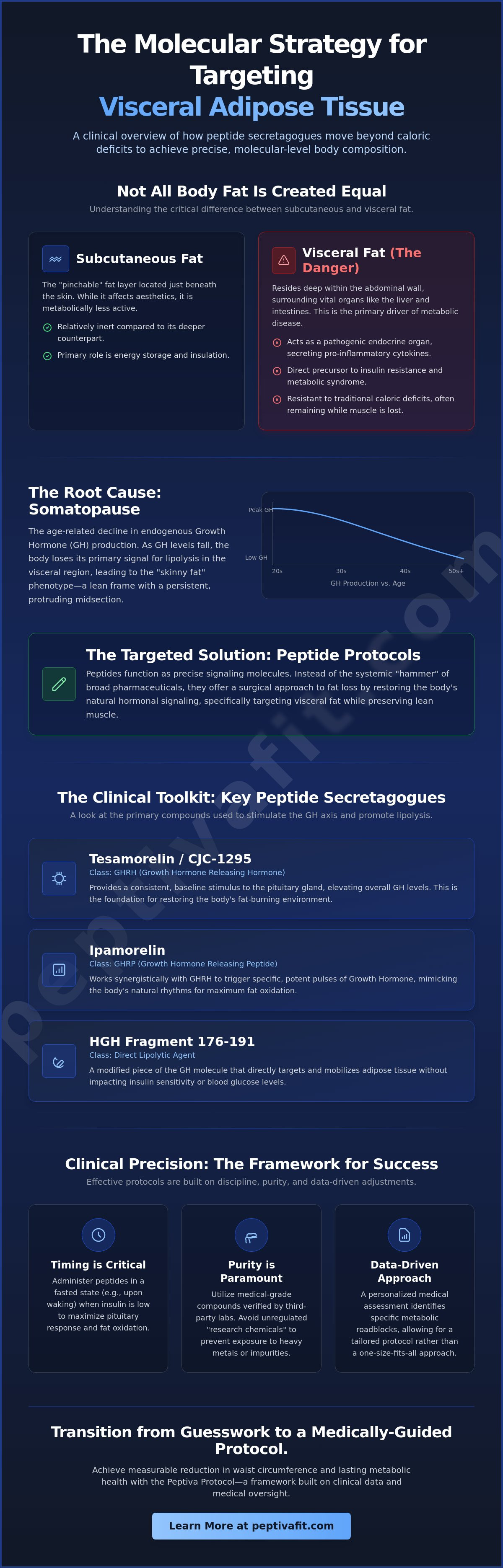
Adipose tissue is often mischaracterized as a uniform energy reservoir. In reality, the body maintains two distinct fat compartments with vastly different biological profiles. Subcutaneous fat is the "pinchable" layer located directly beneath the skin. While it influences aesthetics, it is relatively inert compared to its deeper counterpart. Visceral fat resides within the abdominal wall, ensnaring vital organs. This internal adiposity acts as a pathogenic endocrine organ, secreting pro-inflammatory cytokines such as interleukin-6 and tumor necrosis factor-alpha. These secretions create a state of chronic systemic inflammation that standard caloric deficits often fail to resolve.
The accumulation of deep abdominal fat is frequently a symptom of the "somatopause," or the age-related decline in endogenous Growth Hormone (GH) production. As GH levels diminish, the body loses its primary signal for lipolysis in the visceral region. Traditional weight loss strategies often struggle here. When you rely solely on calorie restriction, the body may prioritize burning subcutaneous fat or even lean muscle tissue, leaving the dangerous visceral stores intact. This explains why many find themselves "skinny fat," possessing a lean frame but a persistent, protruding midsection.
Visceral Fat: The Metabolic Health Risk
Visceral adiposity is a direct precursor to insulin resistance. The constant flux of free fatty acids from visceral stores into the portal vein overwhelms the liver, impairing glucose metabolism. This creates the "pot-belly" phenotype, a physical marker of low GH secretion and metabolic dysfunction. Visceral fat serves as a primary driver of metabolic syndrome by disrupting systemic insulin sensitivity and promoting chronic low-grade inflammation. Reversing this state requires more than just eating less; it demands a restoration of the body's hormonal signaling environment.
Why Peptides Offer a Targeted Solution
Peptides function as precise signaling molecules that mimic the body's natural hormones to trigger specific cellular responses. Unlike the systemic "hammer" effect of broad pharmaceuticals, Growth hormone secretagogues and other analogues offer a surgical approach to fat loss. By using peptides to lose belly fat, you can specifically stimulate the GH axis to prioritize the mobilization of visceral lipids. This specificity allows for the preservation of lean muscle mass during fat loss phases, a critical distinction for those pursuing high-level performance. In the 2026 regulatory environment, these targeted protocols allow individuals to bypass the metabolic plateaus that typically stall traditional transformations. This disciplined approach ensures that fat loss is not just a reduction in scale weight, but a comprehensive optimization of your metabolic phenotype.
GHRH and GHRP Peptides: Stimulating the Growth Hormone Axis
The human endocrine system relies on rhythmic, pulsatile signals to maintain an optimal body composition. Growth Hormone Releasing Hormones (GHRH) and Growth Hormone Releasing Peptides (GHRP) function in tandem to restore these critical signals. GHRH analogues, such as Tesamorelin and CJC-1295, provide a consistent baseline stimulus to the pituitary gland. Conversely, GHRPs like Ipamorelin trigger specific, potent pulses of growth hormone. Successfully using peptides to lose belly fat requires a sophisticated understanding of this synergy. According to a Clinical Review of GH Secretagogues, these compounds offer a controlled mechanism for reducing adipose tissue while simultaneously supporting lean mass. This dual action is essential for managing the somatopause, a condition where the age-related decline in GH production leads to progressive midsection spread and metabolic slowing.
Timing is a clinical variable that cannot be overlooked. Because insulin acts as a potent inhibitor of growth hormone secretion, these peptides must be administered when blood glucose levels are low. This typically necessitates a fasted state, such as immediately upon waking or before sleep. By aligning peptide administration with the body's natural circadian rhythms, you maximize fat oxidation and ensure the pituitary gland isn't fighting against dietary insulin spikes. This disciplined approach separates professional protocols from casual, ineffective applications.
Tesamorelin: The Gold Standard for Visceral Fat
Tesamorelin stands as the premier clinical option for targeting refractory visceral adiposity. Originally developed to address lipodystrophy, its molecular structure is engineered to specifically mobilize the deep abdominal fat pads that surround internal organs. Adhering to a precise Tesamorelin dosage is essential for achieving the 15% to 20% reduction in visceral fat observed in clinical research. It's not merely a weight loss tool; it's a metabolic intervention that reduces the inflammatory burden associated with high waist circumferences. Most individuals notice a visible tightening of the abdominal wall as the internal pressure from visceral stores begins to dissipate.
Ipamorelin and CJC-1295: The Metabolic Foundation
The combination of Ipamorelin and "No-DAC" CJC-1295 provides a sustainable foundation for long-term body recomposition. The "No-DAC" version of CJC-1295 is preferred in clinical settings because it has a shorter half-life, which better mimics the body's natural physiological pulses. This stack is particularly effective at preserving lean muscle mass while you're in a caloric deficit. Unlike exogenous HGH injections, which can suppress your body's natural hormone production, these secretagogues encourage the pituitary to function more efficiently. This safety profile makes it a superior choice for those who value long-term hormonal health over short-term, aggressive fixes. For individuals ready to move beyond generic advice, a Personalized medical assessment can help determine the exact secretagogue combination required for your specific metabolic phenotype.
Direct Lipolysis and Mitochondrial Optimization
While secretagogues focus on stimulating the pituitary gland, a truly comprehensive approach to metabolic optimization involves direct cellular intervention. The clinical objective is twofold: mobilizing stored lipids and ensuring the mitochondria can efficiently oxidize those fatty acids. For individuals using peptides to lose belly fat, this means transitioning from systemic signaling to targeted lipolytic agents. This secondary phase of the protocol addresses the stubborn subcutaneous layers that often persist even after visceral fat levels have stabilized. To understand this process, one must examine the Molecular Mechanisms of GH-Induced Lipolysis, which clarifies how specific molecular fragments initiate the release of fatty acids without the systemic side effects of full-length growth hormone.
HGH Frag 176-191: Targeted Subcutaneous Fat Breakdown
HGH Fragment 176-191 is a stabilized analogue of the C-terminus of the growth hormone molecule. This specific sequence is responsible for the fat-burning effects of GH but lacks the sequences that promote IGF-1 secretion or insulin resistance. Consequently, Frag 176-191 doesn't impact blood glucose levels, making it a safer alternative for those sensitive to the glycemic shifts associated with exogenous HGH. It works by stimulating beta-3 adrenergic receptors, which triggers the breakdown of lipids in stubborn abdominal areas. To maximize efficacy, administration must occur in a fasted state; even a minor insulin spike can blunt the peptide's lipolytic potential. For a deeper analysis of stacking these compounds, refer to the Peptides for Metabolism and Fat Loss guide, which details how to integrate direct lipolytic agents into a broader metabolic framework.
MOTS-c: The Mitochondrial-Derived Peptide
Breaking down fat is only half of the equation; the body must also possess the metabolic capacity to burn the released energy. MOTS-c is a mitochondrial-derived peptide that functions as a systemic metabolic regulator. It's often described as "exercise in a vial" because it activates the AMPK pathway, similar to high-intensity physical activity. This activation improves systemic insulin sensitivity and enhances the body's ability to utilize fatty acids for fuel. MOTS-c regulates glucose metabolism during rest by promoting fatty acid oxidation and enhancing cellular energy expenditure. By incorporating the MOTS-C peptide into a protocol, you address the mitochondrial dysfunction that often underlies weight loss plateaus. This synergy between direct lipolysis from HGH Frag and the mitochondrial efficiency provided by MOTS-c ensures that mobilized belly fat is actually eliminated rather than simply redistributed.
Clinical Precision: Purity, Reconstitution, and Monitoring
The transition from theoretical knowledge to clinical application requires an uncompromising focus on molecular purity. The "gray market" for research chemicals is fraught with significant risks, including the presence of heavy metals, bacterial endotoxins, and chronic under-dosing. While the February 2026 HHS regulatory shift has improved access through licensed compounding pharmacies, many individuals still encounter unregulated suppliers. When using peptides to lose belly fat, the responsibility for verifying compound integrity rests solely with the investigator. A failure to validate purity is a failure to protect your cellular health. It's not merely about the compound; it's about the precision of the delivery.
Monitoring biomarkers is the only objective way to assess the efficacy and safety of a protocol. You can't manage what you don't measure. A disciplined approach to using peptides to lose belly fat demands that you track HbA1c to ensure glucose stability, IGF-1 to monitor pituitary response, and fasting insulin to detect early signs of metabolic resistance. These data points provide a feedback loop that allows for precise dosage adjustments. This ensures the protocol remains optimized for your specific phenotype rather than relying on generic guidelines.
The Critical Role of Lab-Verified Purity
Selectivity starts with a Certificate of Analysis (COA). A reputable research laboratory must provide High-Performance Liquid Chromatography (HPLC) and Mass Spectrometry (MS) reports for every batch. HPLC confirms the purity level, which must exceed 99% to be considered clinical grade. Mass Spectrometry verifies that the molecular weight matches the target peptide, ensuring no cross-contamination has occurred. PeptivaFit maintains an absolute commitment to providing only lab-tested peptides, removing the guesswork from your metabolic optimization. Anything less than 99% purity introduces unknown variables into your biological system.
Reconstitution and Storage Protocols
Maintaining molecular integrity is a technical necessity that begins with peptide reconstitution. Peptides are lyophilized into a fragile powder that's highly sensitive to mechanical stress and temperature fluctuations. You must use bacteriostatic water and allow it to trickle slowly down the side of the vial; never drop the liquid directly onto the powder cake. A common mistake is shaking the vial to speed up dissolution. This can shear the delicate peptide chains, rendering the compound biologically inactive. Gently swirl the vial only if necessary.
Temperature control is non-negotiable. The cold chain must be maintained from the moment of receipt. Most reconstituted peptides require refrigeration between 2°C and 8°C to prevent rapid degradation. If a peptide is left at room temperature for extended periods, its potency will diminish, compromising your results. For those serious about their long-term health, a Personalized medical assessment ensures your protocol is built on a foundation of clinical-grade data rather than trial and error.
The Peptiva Protocol: A Data-Driven Approach to Body Composition
Success in metabolic optimization isn't achieved through isolated biohacking; it requires a structured, elite framework. The Peptiva Protocol serves as this definitive guide, synthesizing the biochemical principles of secretagogues and direct lipolytic agents into a cohesive strategy. While the science of using peptides to lose belly fat is robust, the application must be tailored to the individual's unique physiological state. This protocol moves beyond the generic cycles found on public forums, prioritizing long-term metabolic health and tissue preservation over rapid, unsustainable weight loss. We treat fat loss as a clinical objective that demands precision, data, and uncompromising standards.
Every successful intervention begins with a rigorous baseline. A Personalized medical assessment is the cornerstone of our approach, designed to identify specific metabolic roadblocks such as sub-clinical insulin resistance or thyroid dysregulation. This screening ensures that peptide use is not contraindicated by pre-existing conditions and aligns the protocol with your specific body composition goals. For those starting their journey, a Single Consultation Call provides the necessary clarity to move from theoretical interest to disciplined execution. This entry point allows our experts to evaluate your data and determine the most efficient path forward for your specific phenotype.
Personalized Medical Assessments for Safety
Safety in peptide therapy is often compromised by a lack of oversight. By conducting a detailed assessment, we can screen for markers that might suggest a need for protocol modification. This isn't a one-size-fits-all solution; it's a calculated adjustment of your body's endocrine signaling. We focus on the distinction between visceral and subcutaneous fat, ensuring the chosen compounds target the deep abdominal stores that present the greatest health risk. This level of individual attention is what separates our selective entity from mass-market advice.
Professional Coaching for Optimal Results
Adherence is the primary variable that determines the success of any clinical protocol. Our 1-on-1 Coaching provides the oversight required for real-time adjustments based on your biomarker data and physical response. Peptides are signaling molecules; their effectiveness depends on the environment they enter. We emphasize a lifestyle grounded in high-protein intake and consistent resistance training to capitalize on the increased growth hormone levels. This synergy ensures that the fat mobilized is oxidized and replaced by lean, metabolically active tissue, preventing the loss of strength that often plagues traditional dieting phases.
The Peptiva Protocol guide isn't a static document but a dynamic resource for long-term maintenance. Once the initial fat loss phase is complete, the focus shifts to metabolic repair and the prevention of rebound adiposity. Access to our platform provides the necessary Lab tested peptides and professional guidance to sustain your results. To begin, secure a consultation to determine your eligibility for our specialized coaching programs and high-purity supplies. Taking control of your metabolic health requires a transition from speculation to data-driven certainty.
Mastering Your Metabolic Architecture
Transitioning from general weight loss to metabolic optimization requires a fundamental shift in perspective. You've learned that visceral fat is a pathogenic endocrine organ requiring targeted secretagogues, while subcutaneous stores respond to direct lipolytic agents. Success in using peptides to lose belly fat depends entirely on the clinical precision of your protocol and the verified purity of your compounds. Relying on generic advice or unverified suppliers introduces unnecessary risks to your cellular health and long-term hormonal balance.
Achieving these results necessitates expert medical oversight and personalized assessments to identify your specific metabolic roadblocks. Every batch of our supplies undergoes independent 3rd-party lab verification to ensure clinical-grade standards for serious investigators. You don't have to navigate these complex molecular pathways alone. Access the Peptiva Protocol and Secure Lab-Tested Peptides to begin your data-driven transformation. Our selective coaching provides the disciplined guidance required to master your body composition and reclaim your metabolic health. Your journey toward a sophisticated, high-performance physique starts with a single, informed decision.
Frequently Asked Questions
Which peptide is best specifically for visceral belly fat?
Tesamorelin remains the clinical gold standard for targeting visceral adipose tissue. Its molecular structure was specifically engineered to reduce deep abdominal fat pads without disrupting glucose homeostasis. While other secretagogues provide general metabolic support, Tesamorelin is the only one with documented specificity for the internal fat stores that surround the organs.
Can I use peptides to lose belly fat without exercising?
Peptides can induce lipolysis in sedentary individuals, but the results are significantly diminished without the metabolic demand of physical activity. Peptides mobilize fatty acids into the bloodstream, but resistance training or aerobic exercise is required to oxidize those lipids for energy. Using peptides to lose belly fat is most effective when integrated into a disciplined lifestyle that prioritizes metabolic expenditure.
How long does it take to see results from a fat loss peptide protocol?
Measurable changes in waist circumference and metabolic markers typically manifest within 8 to 12 weeks of consistent administration. Initial cellular shifts occur immediately, but visible body composition changes require a cumulative signaling effect. Investigators should prioritize long-term adherence over short-term observation to allow for the stabilization of the growth hormone axis and mitochondrial repair.
What are the side effects of using peptides like Tesamorelin or AOD-9604?
Common side effects of GHRH and direct lipolytic analogues include transient water retention, joint discomfort, and mild erythema at the injection site. Tesamorelin may occasionally cause peripheral edema or carpal tunnel symptoms if the dosage isn't properly titrated. AOD-9604 is generally well-tolerated due to its lack of effect on the IGF-1 axis, but individual sensitivity varies based on pre-existing metabolic health.
Do I need a prescription for peptides in the United States in 2026?
Effective April 23, 2026, approximately 14 peptides were moved to Category 1, enabling licensed compounding pharmacies to prepare them with a physician's prescription. Accessing these compounds through medical channels ensures purity and legal compliance. While research-grade chemicals remain available online, they lack the regulatory oversight required for safe human investigative use and carry significant purity risks.
Can I stack fat loss peptides with BPC-157 for better results?
Stacking metabolic peptides with BPC-157 can enhance results by addressing the chronic inflammation often associated with visceral adiposity. BPC-157 supports systemic recovery and tissue repair, which can improve exercise tolerance during fat loss phases. This combination allows for higher-intensity training sessions, indirectly supporting the primary objective of using peptides to lose belly fat through improved physical performance.
How do I store my peptides once they have been reconstituted?
Reconstituted peptides must be stored in a controlled environment between 2°C and 8°C to maintain their molecular integrity. Exposure to heat or direct sunlight will cause rapid degradation of the delicate amino acid chains. It's critical to keep the vials in the refrigerator and avoid excessive agitation, as mechanical stress can shear the peptides and render them biologically inactive.
Will peptides for belly fat cause me to lose muscle mass?
Peptide protocols are inherently muscle-sparing because they stimulate the growth hormone axis, which prioritizes lipid oxidation over protein catabolism. Unlike traditional caloric restriction, which often leads to the loss of lean tissue, GHRH and GHRP secretagogues support nitrogen retention and muscle protein synthesis. This makes them an elite tool for individuals who want to reduce abdominal fat while preserving their athletic frame.

![Shelf Life of Reconstituted Peptides: A Clinical Reference Guide [2026]](https://getautoseo.com/storage/hero_images/shelf-life-of-reconstituted-peptides-a-clinical-reference-guide-2026.jpg?v=b8ed5173acaa)
